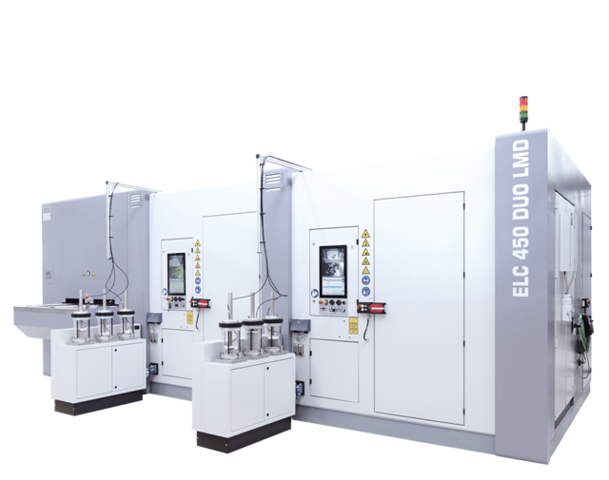
Laser Cladding: Precision Layer Deposition for Wear Protection, Repair, and Functional Surfaces
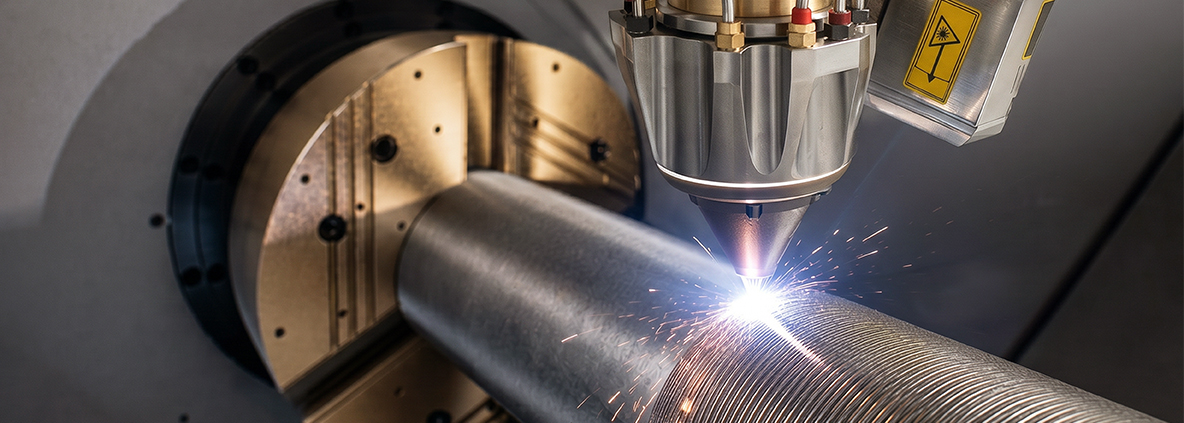
In laser cladding, metallic filler material in powder or wire form is precisely introduced into a molten pool created by the laser. This results in a metallurgically bonded layer that is firmly bonded to the base material. The process is suitable for building up wear and corrosion protection layers,repairing stressed component areas, and targeted functional modification of surfaces.
Laser Cladding for Precision Layer Deposition and Targeted Component Functionality
A key technical advantage of laser cladding is the localized heat input. This reduces thermal stress on the component, keeps distortion under control, and minimizes microstructural changes in the heat-affected zone. At the same time, layer thicknesses, mixing, and deposition geometry can be reliably controlled.
The quality of the result depends largely on the precise coordination of laser power, feed rate, filler material supply, shielding gas flow, and path movement. In automated EMAG systems, the cladding process is precisely guided via CNC axes or robot-assisted motion systems. This allows for machining of both rotationally symmetric components such as shafts, cylinders, or bearing seats, as well as complex, contour-dependent surfaces with defined path guidance and consistent layer quality. The exact coordination of relative motion, material feed, and energy input ensures reproducible results across the entire component.
Laser cladding is thus a technically sophisticated manufacturing process for applications that require defined coating properties, high adhesion, and targeted material application.
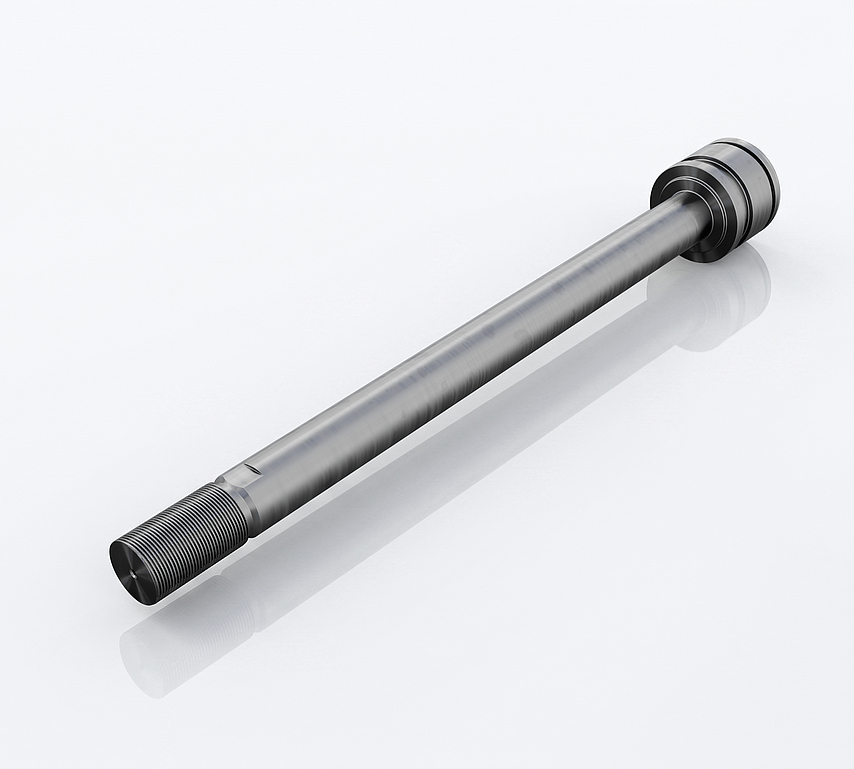
Laser metal deposition of hydraulic cylinders
Hydraulic cylinders, and in particular their piston rods, are exposed to moisture, dirt, pressure spikes, and mechanical wear. During laser metal deposition, a metallurgically bonded protective layer is selectively applied to the stressed surface. This increases resistance to wear and corrosion and extends the service life of the component.
More information
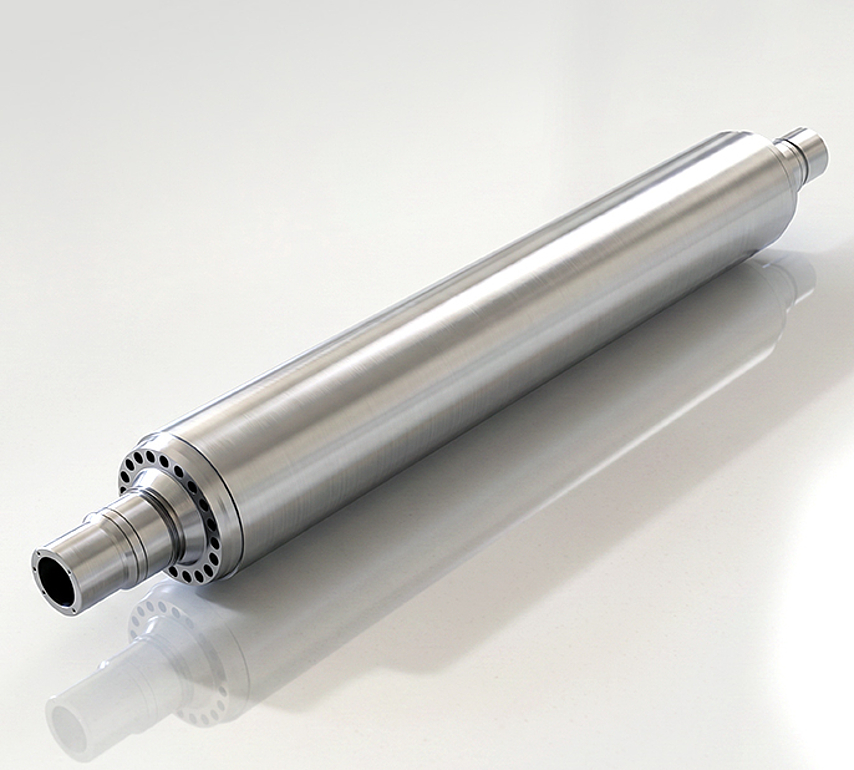
Laser metal deposition of rollers
In laser metal deposition of rollers, a dense, metallurgically bonded functional layer is precisely applied to the rotating surface. The process is suitable for press, printing, and calender rollers, as it makes wear, corrosion, and thermal stresses manageable. At the same time, dimensional accuracy is maintained even on long rollers.
More information
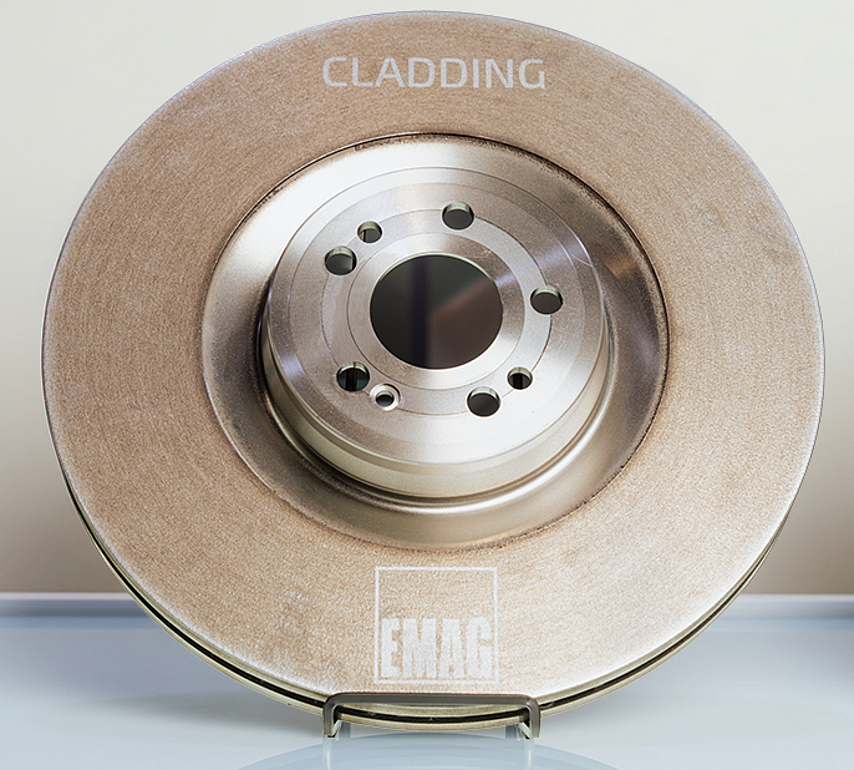
Hard coating of brake discs
When performing hard coating of brake discs, the friction surface is precisely treated with a wear-resistant functional layer using a laser. This reduces brake dust emissions, increases service life, and enables pore- and crack-free layers with defined geometry. Depending on requirements, single- or two-layer systems are used.
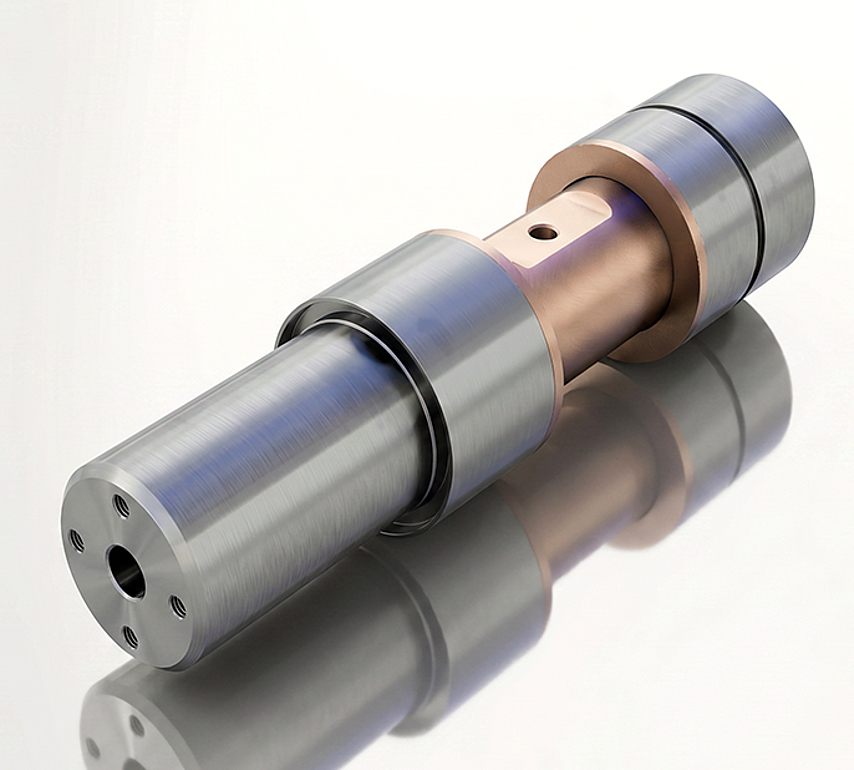
Coating of plain bearings for wind turbines
When coating plain bearings for wind turbines, main shafts and planetary pins are selectively laser-coated with soft plain bearing materials. This creates bond-type coatings with good emergency running properties, high wear resistance, and low material consumption. The process is particularly suitable for highly loaded components in continuous operation.
More information
Advantages of Laser Cladding
- Low heat input into the component
- Good control of distortion and heat-affected zone
- Metallurgical bond between the deposit and the base material
- Targeted deposition only on functionally relevant areas
- High flexibility in coating materials and geometries
- Suitable for coating, repair, and additive manufacturing
- Reproducible results through automated process control
- Cost-effective repair of high-quality components
Workpieces
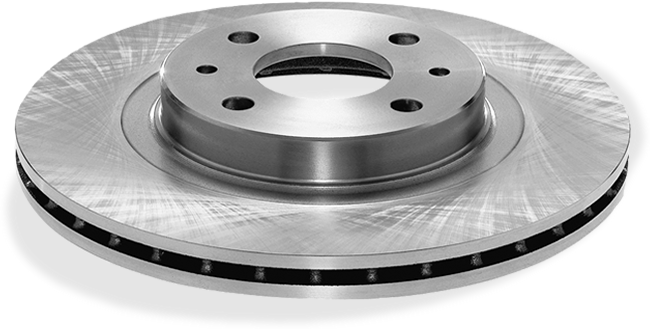
Brake disc
The demand for high volumes and fast cycle times not only applies to brake disc production, but also to EMAG machines. As a specialist in the vertical machining of brake discs, EMAG has worked closely…
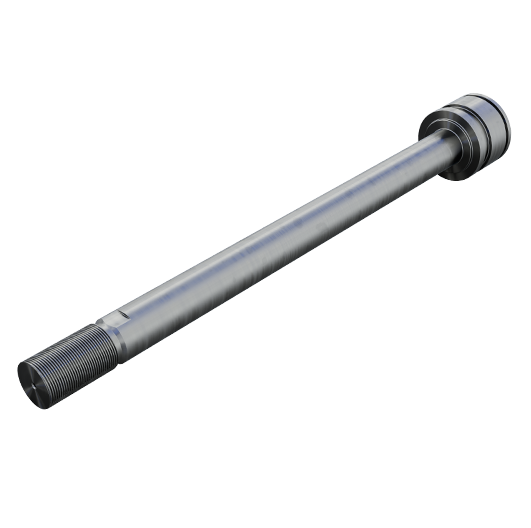
Hydraulic Cylinders and Piston Rods
Piston rods and hydraulic cylinders are exposed to extreme mechanical and corrosive stresses. Conventional surface protection methods are increasingly reaching their regulatory and technical limits.…
Maggiori informazioni
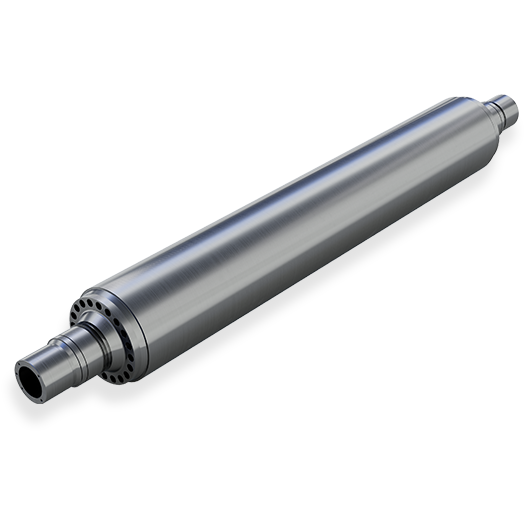
Press and printing rolls
Press rollers in the printing and paper industry operate under constant surface pressure, friction, and chemical exposure. Wear on the roller surface leads to loss of print quality, rising maintenance…
Maggiori informazioni
Machines
(1) macchine trovate