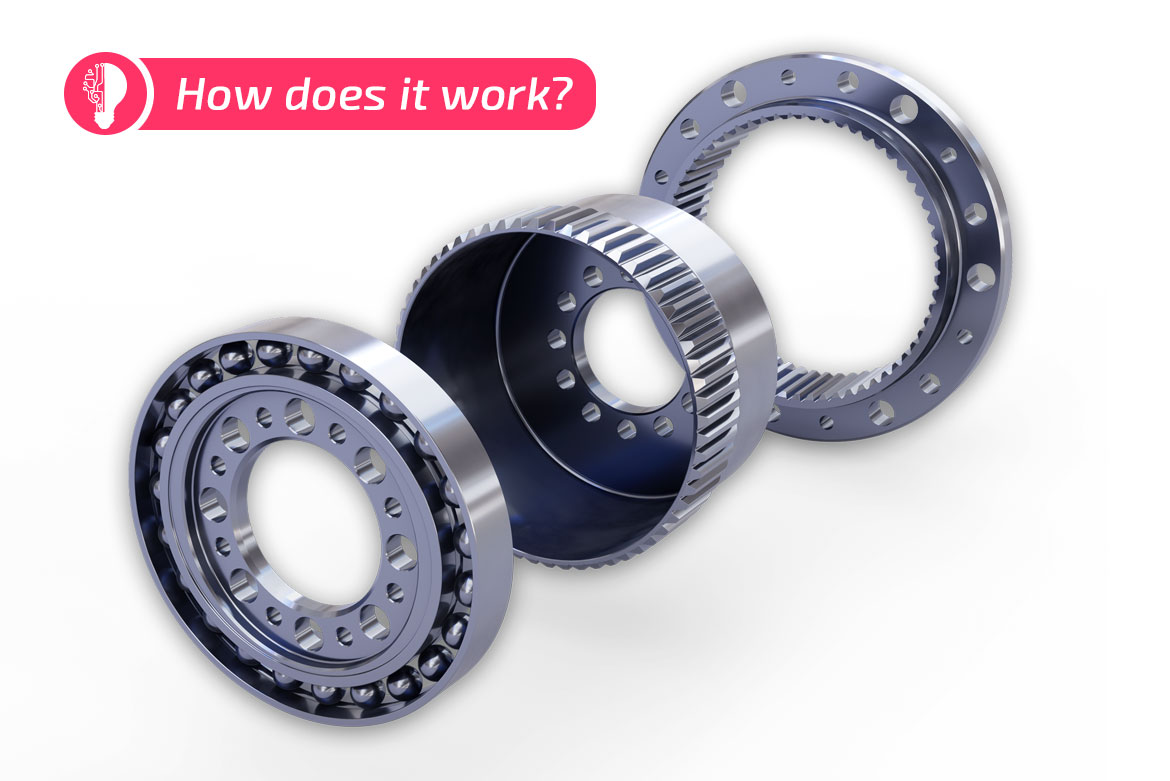
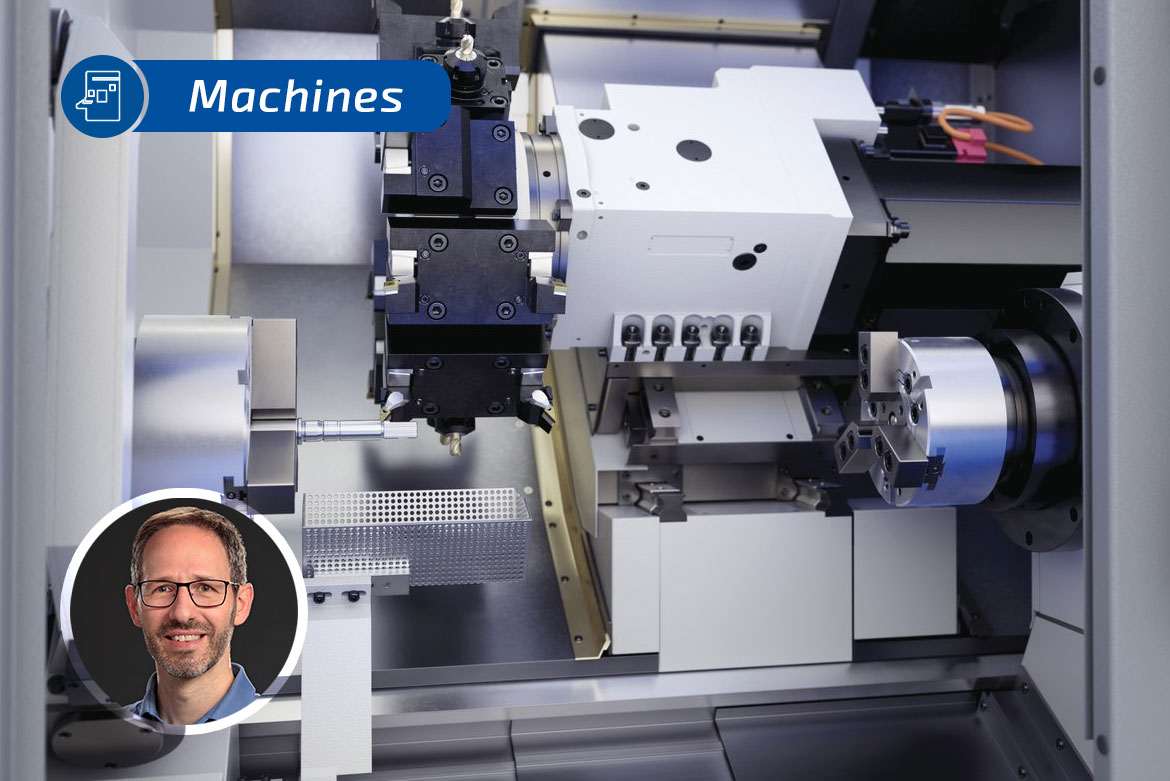
The manufacturing industry faces the challenge of using production space more efficiently while also reducing process times. When machining flange parts, such as differential housings, several separate machining stations are required in conventional production. The VT 200 with counter spindle option shows how modern turning machines can address these challenges through process integration.
mechanical engineering
As automation continues to expand in industrial manufacturing, companies face clear demands: short commissioning times, high flexibility with changing workpieces and seamless integration into existing production environments. The MRC – Modular Robot Cell, was developed specifically to meet these requirements, offering a flexible automation solution for automated workpiece handling in machining production.Â
The MRC was first introduced as a bin-picking solution, but has been designed from the beginning as a universally applicable automation system. The modular design allows different applications to be implemented using standardized modules, making it easy to adapt the systemto new tasks without major redesigns.Â
Daniel Rujanoski is Director of Global Sales & Applications at EMAG LaserTec and is responsible for technical sales and the Laser Application Center. In this interview, the expert in laser welding technology explains the technical features and cost-saving advantages of the new ELC 6i – a standardized laser welding cell for powertrain components.Â
Since its foundation almost 50 years ago, Wandel CNC-Technik GmbH has developed from a classic “garage company” into an established supplier with its own products. Over the years, the second-generation Swabian family business has continued to expand its manufacturing spectrum: from milling to turning and grinding. With the investment in an EMAG WPG 7 angular plunge-cut grinding machine, the grinding capabilities were specifically expanded. In an interview with Gottfried Wandel, we learned detailed insights into the company’s history, the production process and, above all, his experiences with the new grinding machine.
When Vince Zamora first joined EMAG as an intern in 2022, the office was still quiet from the effects of COVID-19. But even in those early days, one thing was clear – this was a place where young engineers could gain real experience, take ownership of their work and grow alongside a supportive team. Today, Vince is a full-time mechanical engineer at EMAG, and his journey from co-op student to team member highlights the value of hands-on learning and a company culture built on collaboration.Â
The requirements for CNC lathes are clearly defined: maximum process reliability, high machining precision, flexible application options and easy integration into automated production lines. A well-thought-out machine concept is particularly important for workpieces that require machining on both sides as well as additional milling or drilling. The HSC 1 from EMAG has precisely these aspects in mind. In this interview, Peter Gröner, Product Manager of the Turning Business Unit at EMAG, explains the technical features, the range of applications and the design considerations behind this machine. Â
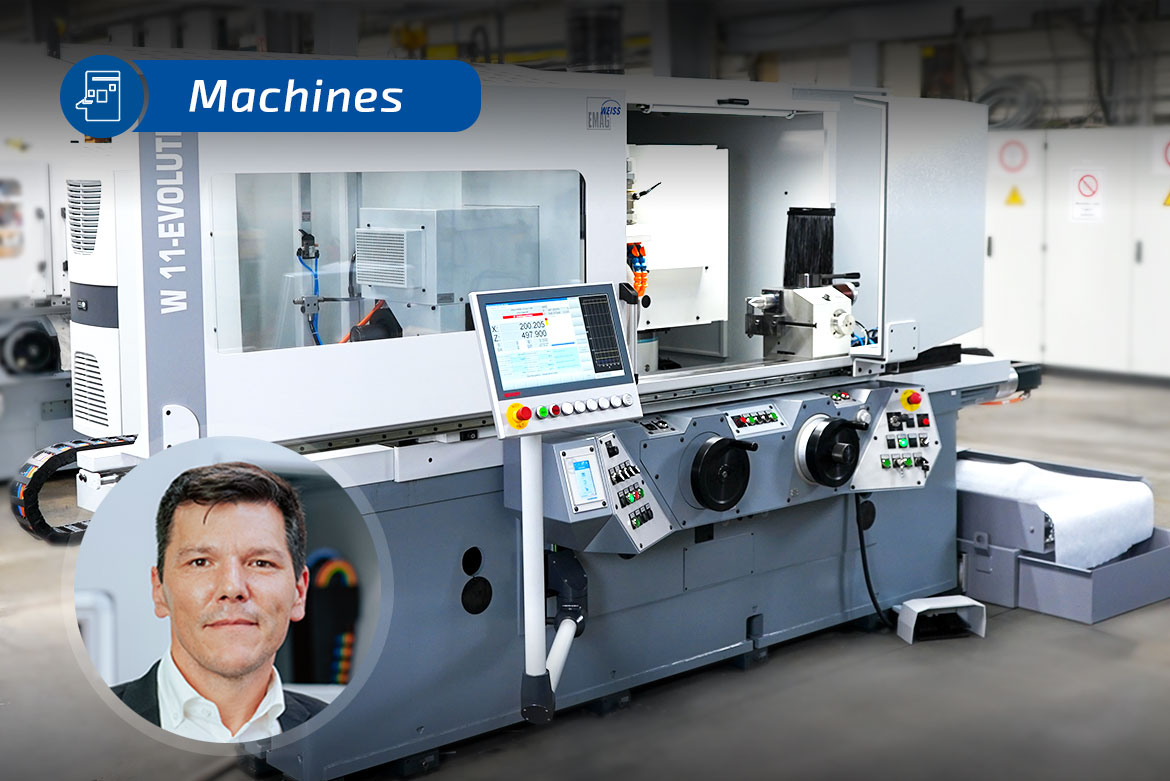
Modern production systems are a key factor for the competitiveness of manufacturing companies. For high-quality cylindrical grinding machines, a comprehensive modernization of existing systems can be an economically interesting alternative to purchasing new equipment. CNC-Technik Weiss GmbH, part of the EMAG Group since 2019, specializes in retrofitting Karstens cylindrical grinding machines. The Neckartailfingen–based company has decades of experience in overhauling and modernizing these precision machines. In an interview with Andreas Holstein, Plant Manager at EMAG Weiss, we were able to talk about the technical possibilities and economic aspects of retrofitting.Â
Imagine your old machine tool suddenly being able to do more than ever before – and with less energy consumption. What sounds like a dream has become reality with EMAG’s retrofit solutions. In this interview, Markus Heidel, Head of the Retrofit Business Unit at EMAG, explains how used machines can be turned into real speedsters and why this concept will shape the future of mechanical engineering.Â