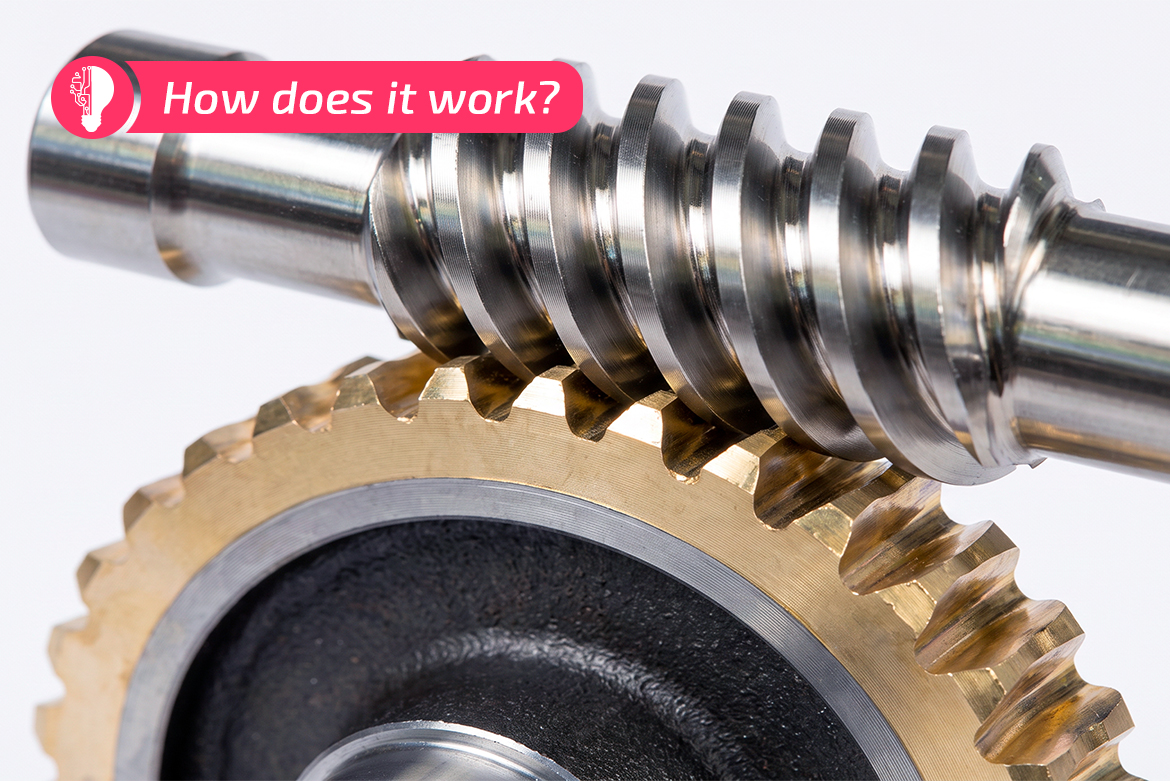
The worm gear is one of the oldest and, at the same time, most widely used gear designs in drive technology. You’ll find it in electromechanical steering systems, elevator drives, windshield wiper motors, or the actuators of a production line, anywhere high gear ratios are needed in tight spaces. But how exactly does a worm gear work, why can it self-lock, and what matters when manufacturing the worm shaft?
gear cutting / gear hobbing
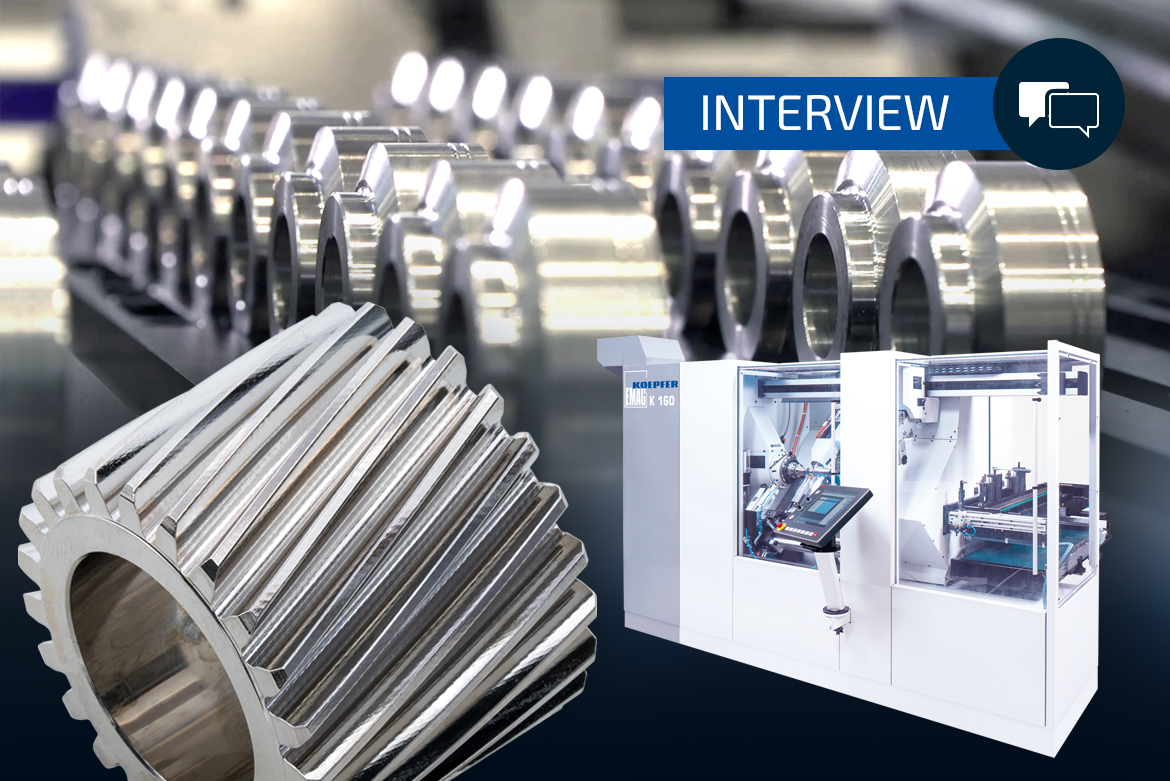
The production of steering pinions poses a particular challenge in the modern automotive industry. These precision gear components are indispensable parts of steering systems and must meet the highest quality standards while also being produced economically in large quantities. The combination of required dimensional accuracy, surface finish, and process stability demands specialized manufacturing solutions.
In this interview, Konstantin Ungefuk, Head of the Gear Cutting Soft Business Unit at EMAG, explains the complex process chain involved in machining steering pinions. He provides detailed insights into every machining step – from turning the raw-parts to soft-state gear hobbing, precision grinding of the bearing seats after hardening, and the final skiving of the hardened tooth profiles.
Stepped planetary gears are a key component in the drivetrains of electric vehicles. These components must meet high precision requirements while remaining cost-effective for series production. The combination of geometric complexity and tight tolerances demands sophisticated manufacturing concepts.
In modern manufacturing , there are several processes for producing tooth profiles. Three frequently used – yet often confused – important technologies that are often confused are hobbing, skiving and power skiving. Each method has its own applications, advantages and limitations. Understanding the key differences is crucial in selecting the right technology for each job.
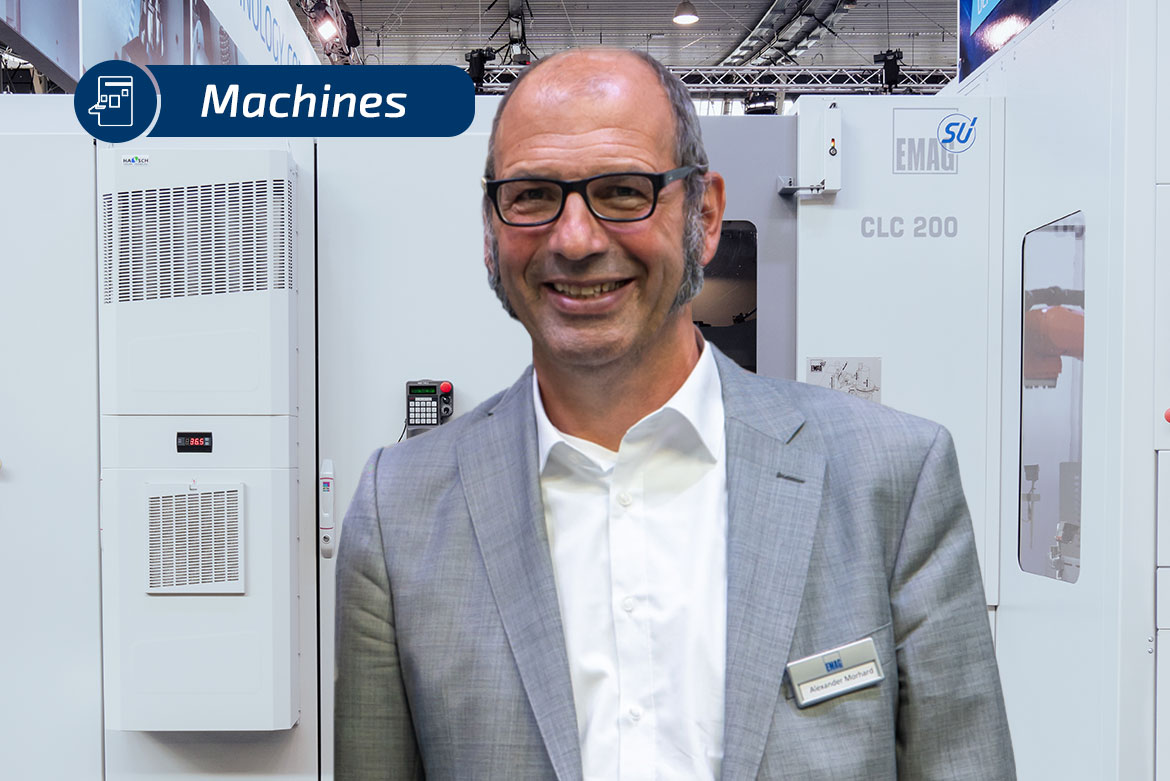
The CLC 200 is a powerful gear hobbing machine that has been specially developed for the machining of gears, gear cutting shafts and worm gears up to module 5. In this interview, Alexander Morhard, Technical Sales Support Manager at EMAG SU, gives an overview of the most important features, advantages and areas of application.
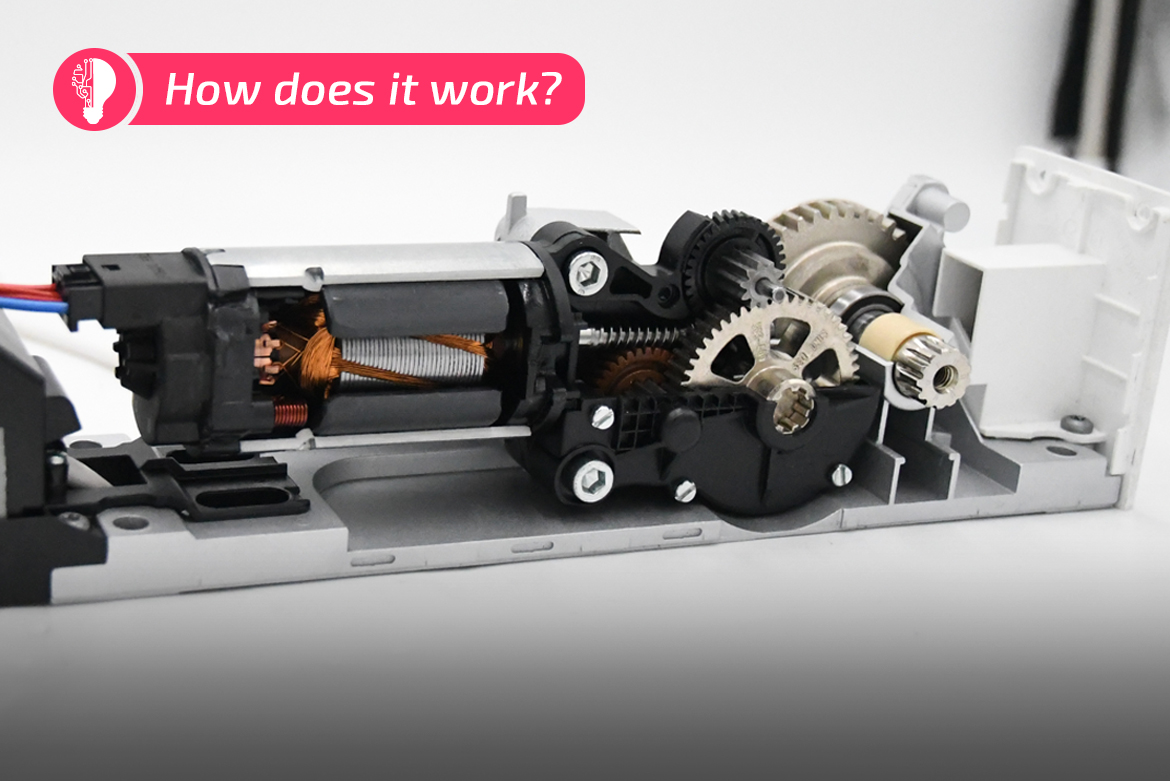
Automatic doors are familiar from hospitals, for example: after briefly pressing a button on the wall, the structure opens automatically, which is a great help when transporting beds, for example. Automatic door openers of a similar type can also be found in many companies and stores, at airports, as “airlocks” in research stations and in front of barrier-free toilets. A sophisticated gearbox usually operates inside them.
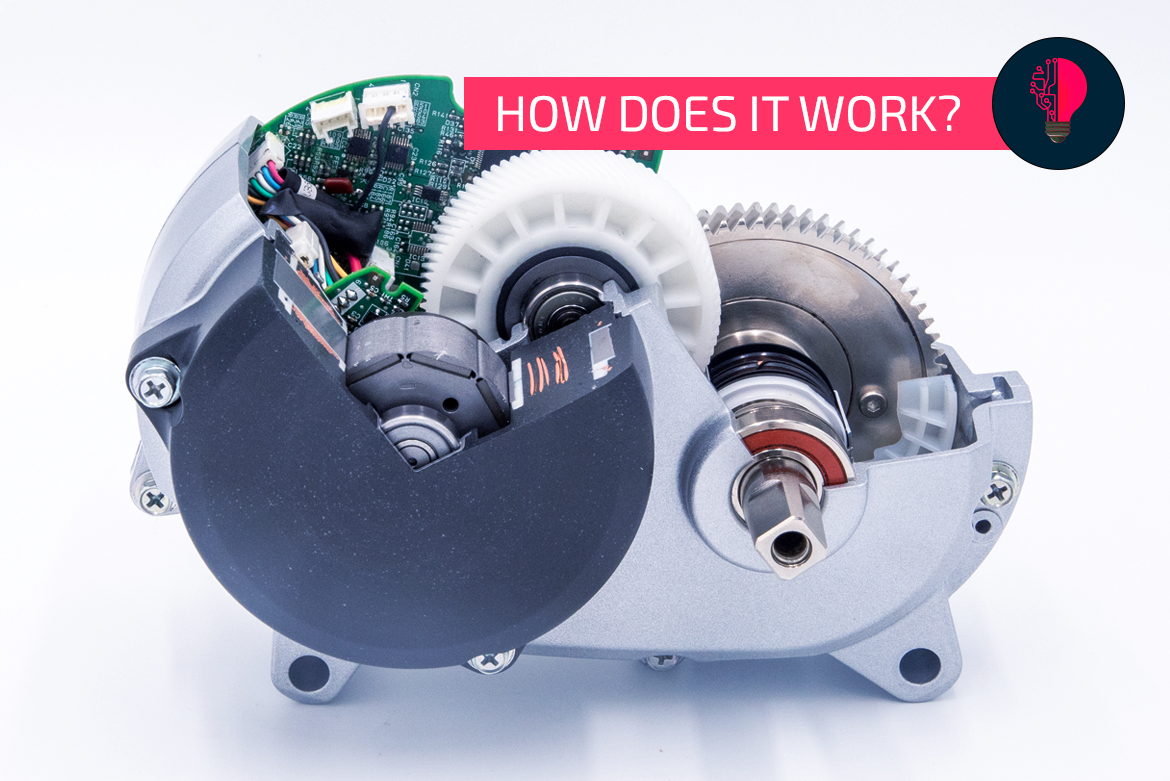
The e-bike market continues to boom – even if manufacturers have recently been unable to match the record figures from the pandemic. Nevertheless, around 1.6 million e-bikes were produced in Germany in 2023. In light of these large figures, it is particularly interesting to take a look at the central component: how exactly does the e-bike motor work, what characterizes its production and what changes are in store for the future?
In the world of machine tools, the optimal design of processes is crucial to achieving the highest precision and efficiency. In today’s blog article, we spoke to Jörg Lohmann, Head of Technology and Product Management and Member of the Management Board at EMAG KOEPFER, to find out more about how hobbing processes are designed, using planetary gears as an example. Jörg Lohmann brings almost 20 years of experience in the design and application of gear hobbing machines and gear cutting processes and gives us a deeper insight into the decision-making behind these processes.
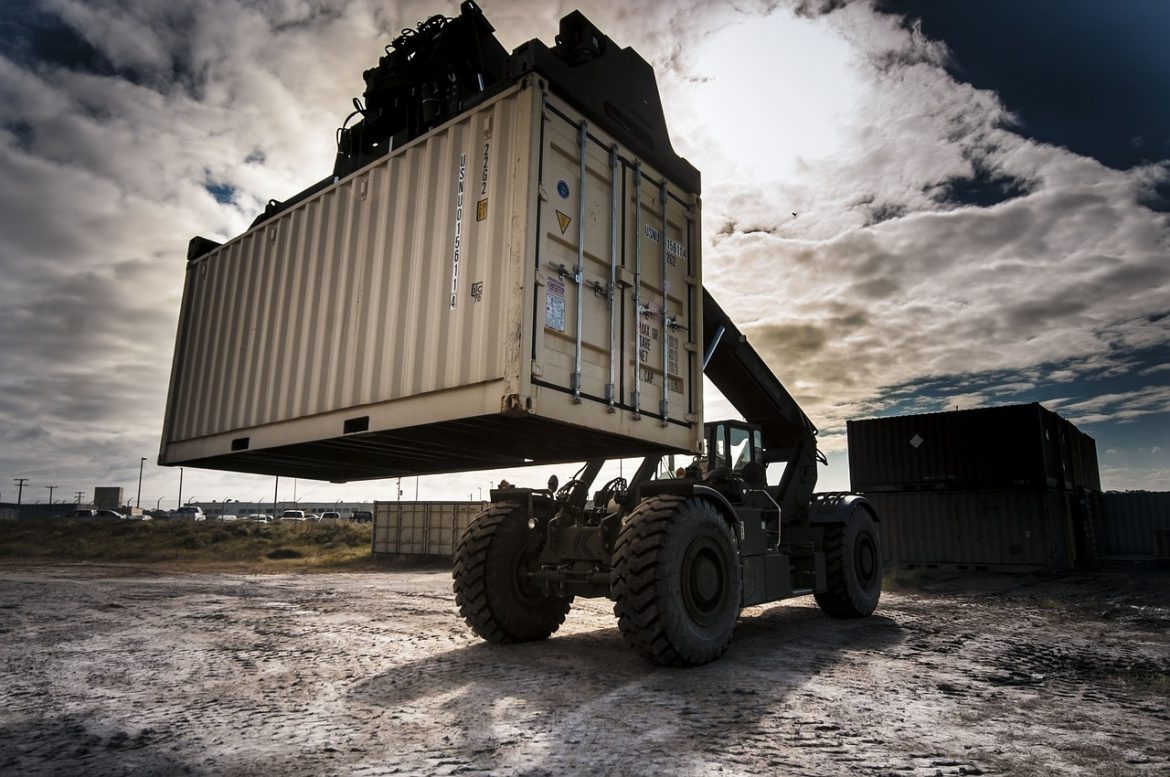
Whenever containers are lifted by trucks, large excavator shovels are swiveled or heavy containers are tilted at production plants, powerful rotary drives are to thank! The number of application examples for this technology is almost unlimited. As market leader in this sector, HKS Dreh-Antriebe GmbH with headquarters in Wächtersbach, Hesse relies on vertical hobbing machines from EMAG Richardon – major gearing is created with their help. These specialists have recently acquired a new machine of this type for their production site in Neukirch, Saxony. In the following interview, HKS Production Manager Mario Vogt explains why they made this investment decision and what technological challenges stand out in this process.
“Smart technologies drive tomorrow’s production!” That is the motto for EMO 2019 in Hanover, Germany. But we believe that smart people, and not just smart technologies, are what matters—and we need to bring those people together to talk.
So, at the EMAG Group’s booth, we will be focusing not just on networked technologies, but also on networking with our visitors.
To give you a preview of who you really should talk to at the EMO, over the next few weeks we will be publishing regular interviews with the EMAG experts who will be there in person.
- 1
- 2