The manufacturing industry faces the challenge of using production space more efficiently while also reducing process times. When machining flange parts, such as differential housings, several separate machining stations are required in conventional production. The VT 200 with counter spindle option shows how modern turning machines can address these challenges through process integration.
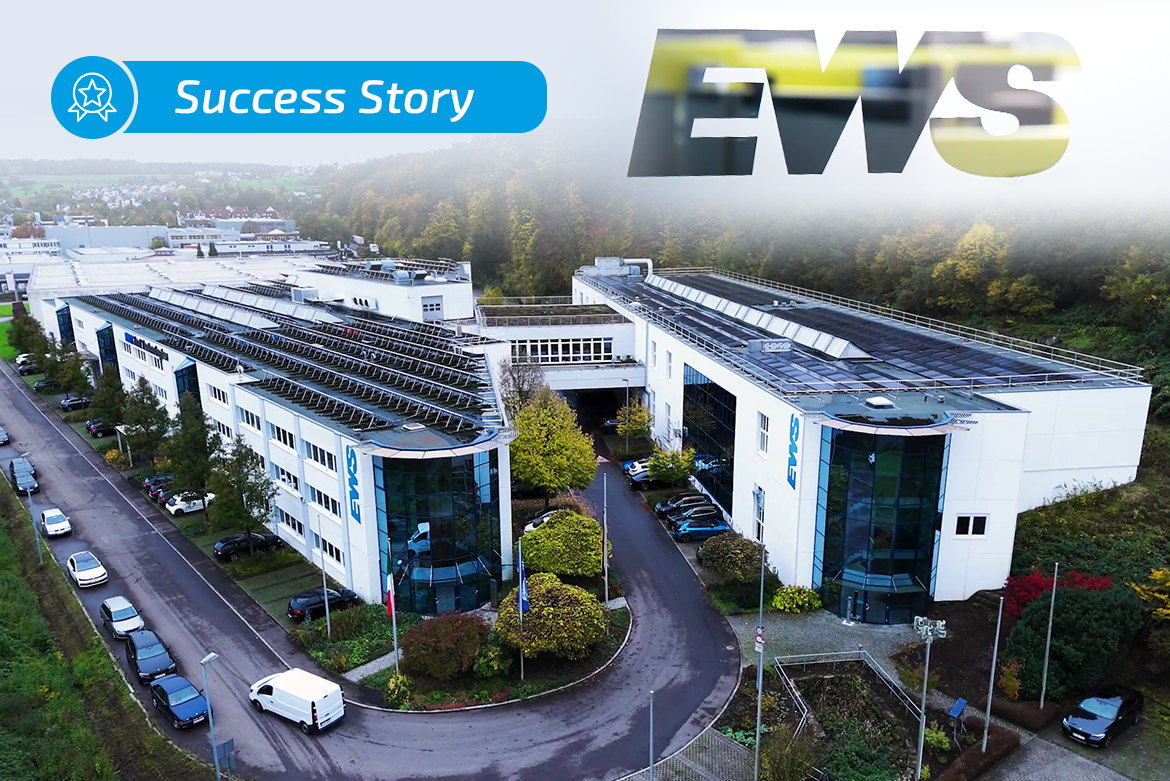
EWS Weigele is known for its precision tool holders. What is less well known is the company’s technical standards and vertical manufacutring range – including the hard machining of its own bevel and toothed gears. A modernized VSC 400 DDS from EMAG plays a key role here. In this interview, plant manager Christian Schurr explains why the retrofit of this machine was a decisive step for EWS – technically, organizationally and strategically.
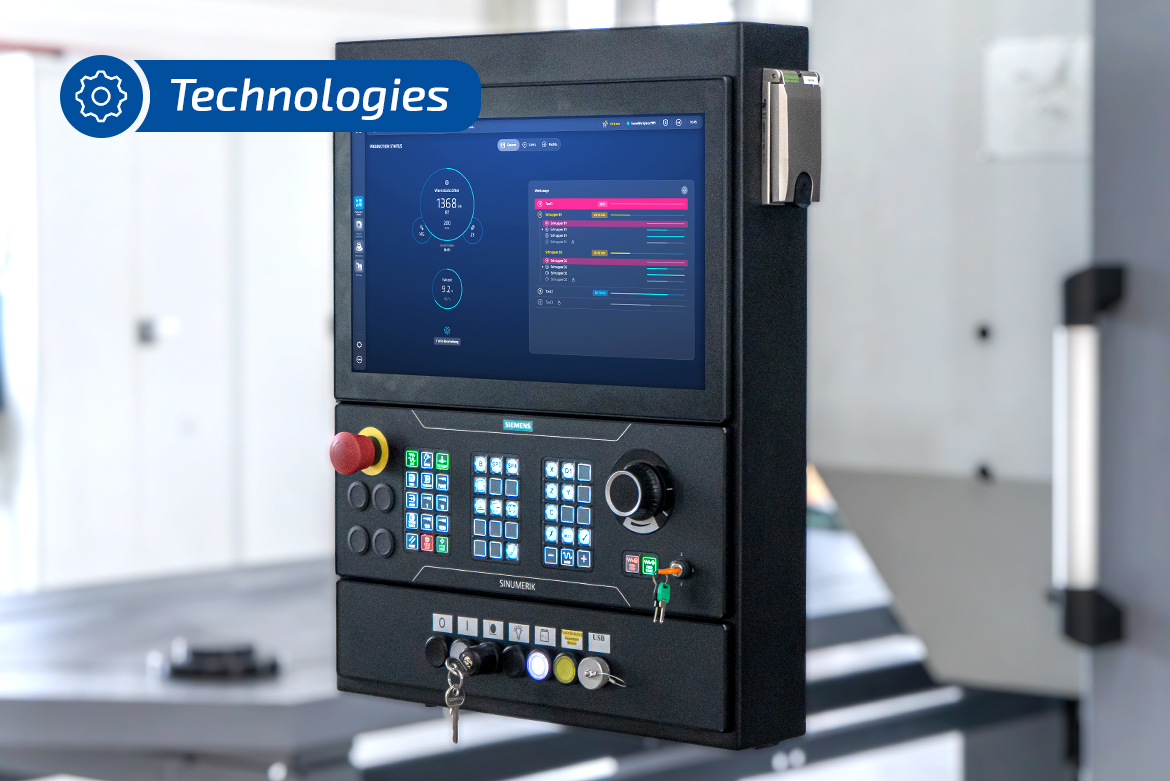
With the introduction of Sinumerik One, EMAG continues its commitment to the latest CNC control technology from Siemens. Replacing the proven 840D sl platform, SINUMERIK One serves as the foundation for the next generation of digitally connected manufacturing systems. Combined with EMAG’s new WinCC Unified-based software, this future-ready control system delivers maximum performance, intuitive operation and seamless integration of smart data applications.
As automation continues to expand in industrial manufacturing, companies face clear demands: short commissioning times, high flexibility with changing workpieces and seamless integration into existing production environments. The MRC – Modular Robot Cell, was developed specifically to meet these requirements, offering a flexible automation solution for automated workpiece handling in machining production.
The MRC was first introduced as a bin-picking solution, but has been designed from the beginning as a universally applicable automation system. The modular design allows different applications to be implemented using standardized modules, making it easy to adapt the systemto new tasks without major redesigns.
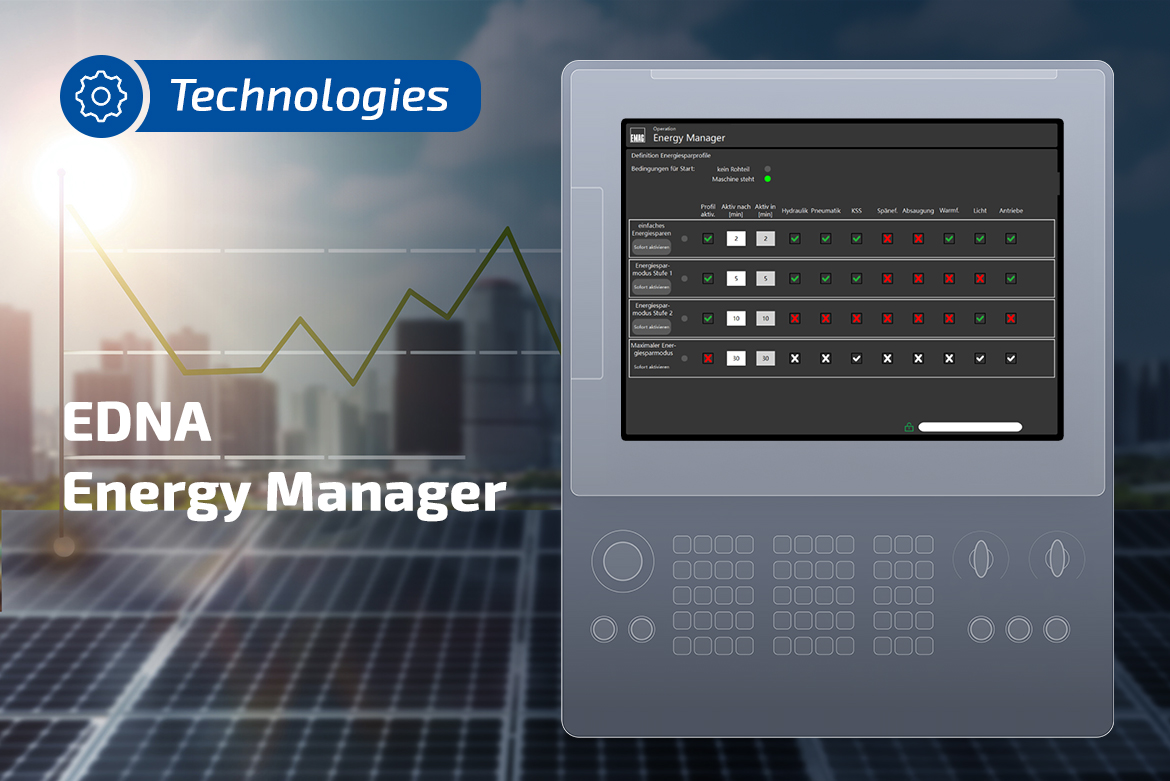
In modern manufacturing operations, energy efficiency is one of the key parameters for profitability and sustainability. With the new EDNA Energy Manager, EMAG now offers a software solution that addresses this challenge: It enables intelligent control of FANUC-controlled machines and targeted energy savings – without operator intervention. Automated time and energy saving profiles can be used to optimally plan and implement both the start-up process and idle phases. The result: lower energy costs, higher machine availability and a contribution to sustainable production.
The machining of thin-walled workpieces is a complex task in manufacturing technology. Hardened rings and gears in particular exhibit considerable shape deviations after heat treatment. These components typically have elliptical, potato-shaped or triangular contours instead of the required circular shape. During subsequent lathe machining, conventional clamping systems often fail to achieve the required roundness tolerances.
The central challenge lies both in the deviation of the clamping diameter and in the interaction between workholding technology and cutting forces. While traditional diaphragm chucks, collet chucks or centering and face chucks can guarantee a mechanical fixation, out-of-round workpieces inevitably deform, leaving free arc segments between the clamping points. At these points, the lathe tool presses the thin-walled component outwards, which leads to additional shape deviations after spring-back. Even with optimized workholding technology, conventional processes often reach their limit at roundness values of 20 to 30 µm.
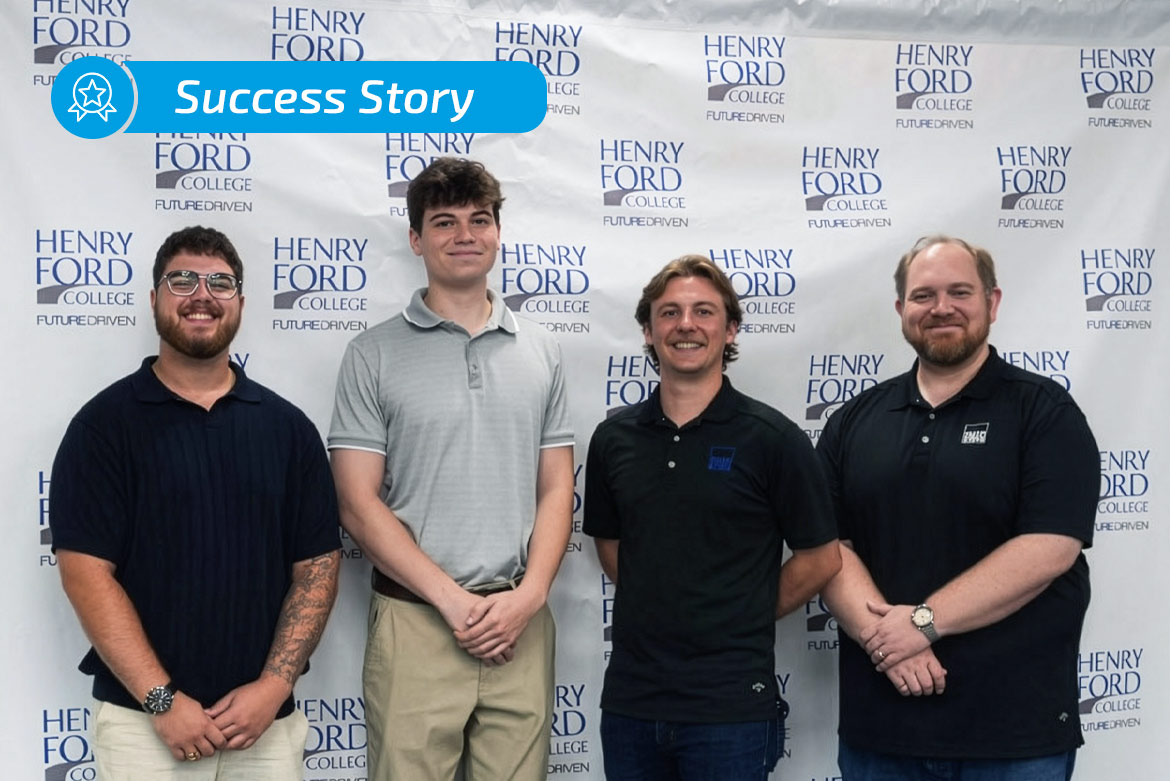
This year’s MAT2 graduates share how EMAG’s apprenticeship program helped them discover their strengths, build confidence, and begin rewarding careers in advanced manufacturing.
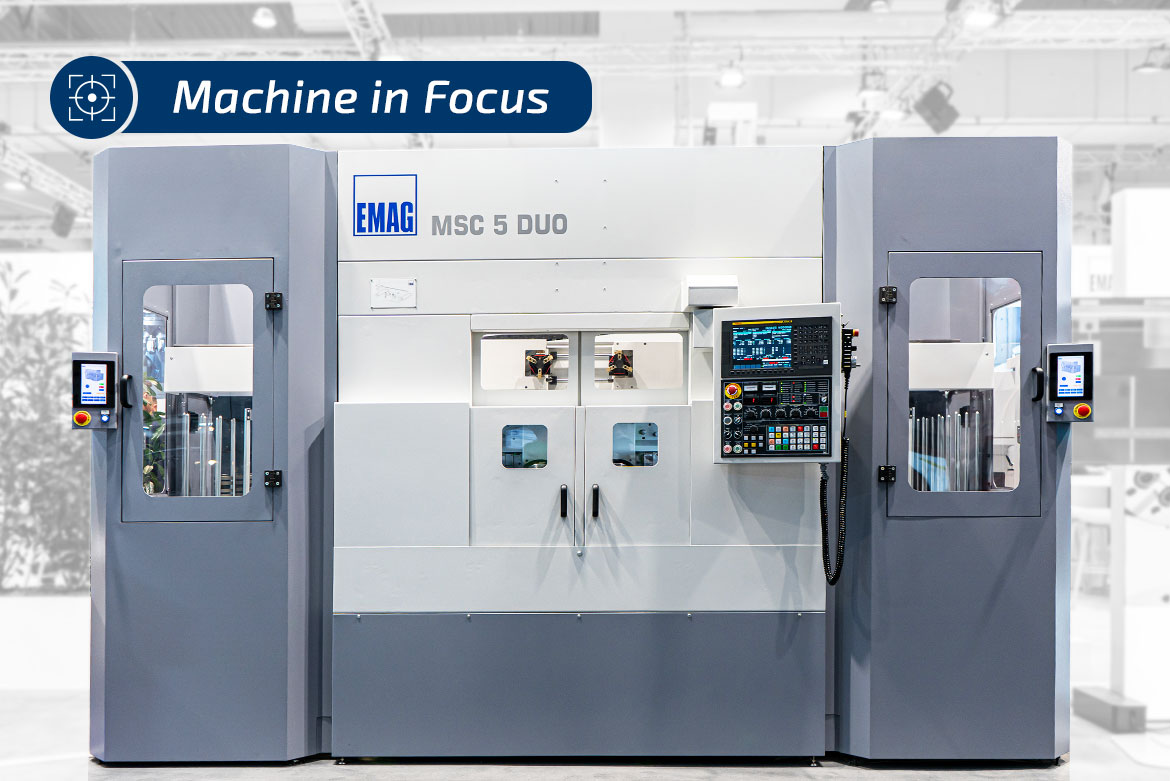
The automated production of turned parts in medium and large batch production requires CNC turning machines that combine productivity, process reliability and cost-effectiveness. The MSC 5 DUO from EMAG’s Classic series addresses these requirements with a machine configuration consistently designed for automation. As a fully automated CNC lathe with a double-spindle concept, the machine is positioned in the compact manufacturing cell segment for workpieces up to 120 mm in diameter and 85 mm in length.
Double helical gears are a special type of gear in which two helical gears are arranged in a mirror image configuration on the same shaft. This design can withstand high loads and is significantly more cost-effective to manufacture than herringbone tooth profiles. Double helical gearing combines the advantages of helical gearing, which can absorb high loads, with the additional benefit of compensating for axial forces through its mirror-image arrangement.
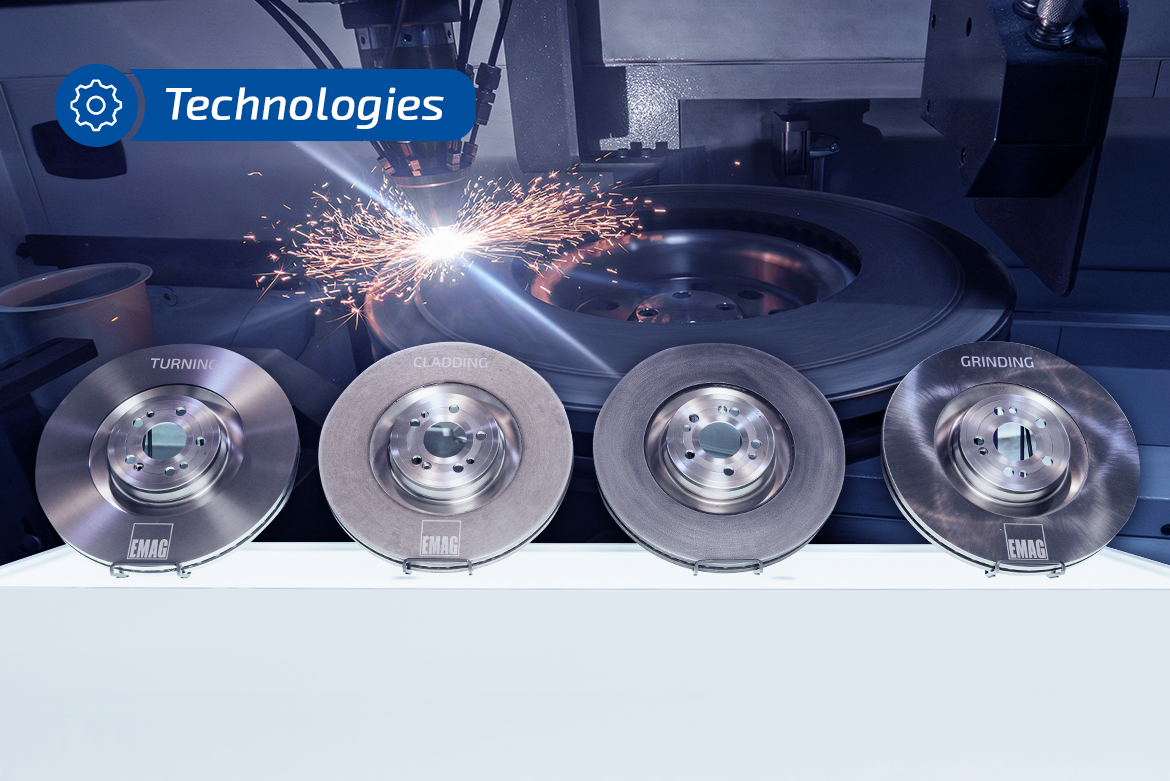
The design and development of coated brake discs are becoming increasingly important in the automotive industry. The main driver behind this shift is the need to reduce brake dust emissions, as mandated by international regulations like GTR 24 and the Euro 7 standard. These regulations set strict limits on particulate emissions (PM10): capping them at 7 mg/km for passenger cars and as low as 3 mg/km for electric vehicles. These standards will be enforced across the European Union starting in November 2027, with a similar regulation expected to take effect in China between 2028 and 2030 under the National 7 standard.
To meet these emission targets, manufacturers are increasingly turning to coated brake discs, with Laser Metal Deposition (LMD) emerging as a promising technology. However, the precision required to manufacture these complex components presents significant challenges. The key to achieving high-quality, cost-effective brake discs lies in the coordination between the laser coating process and the subsequent grinding process.
- 1
- 2