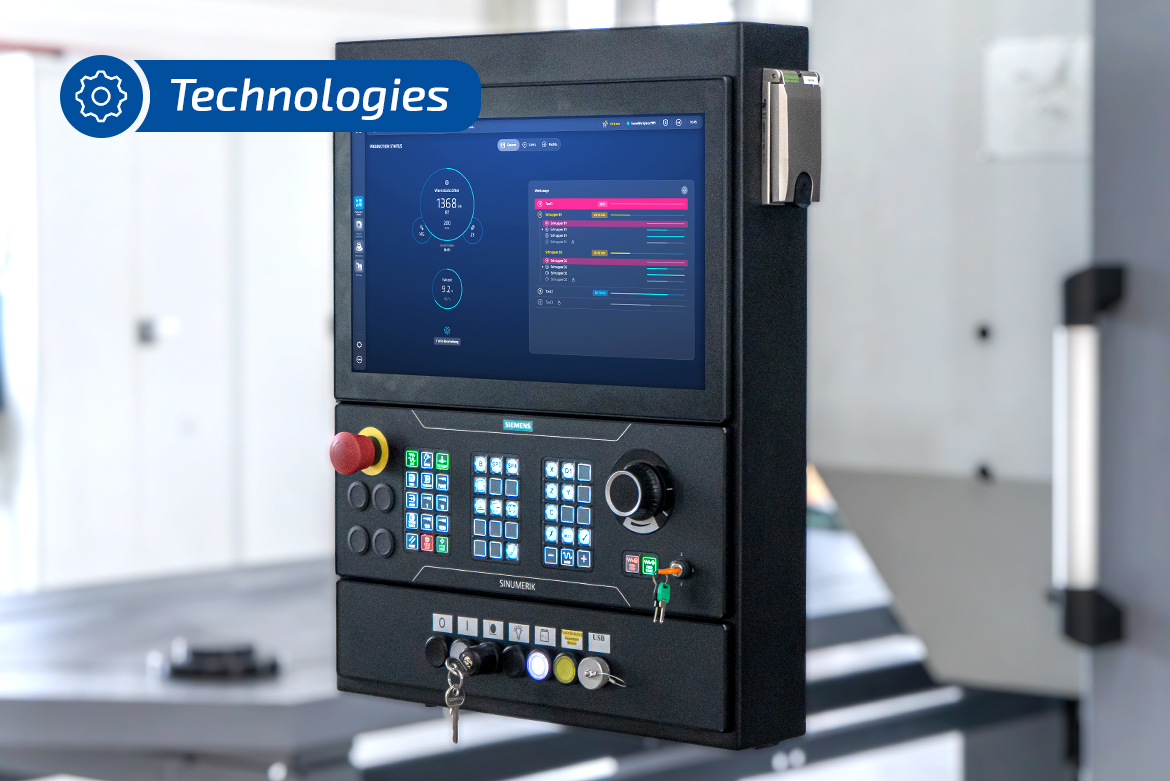
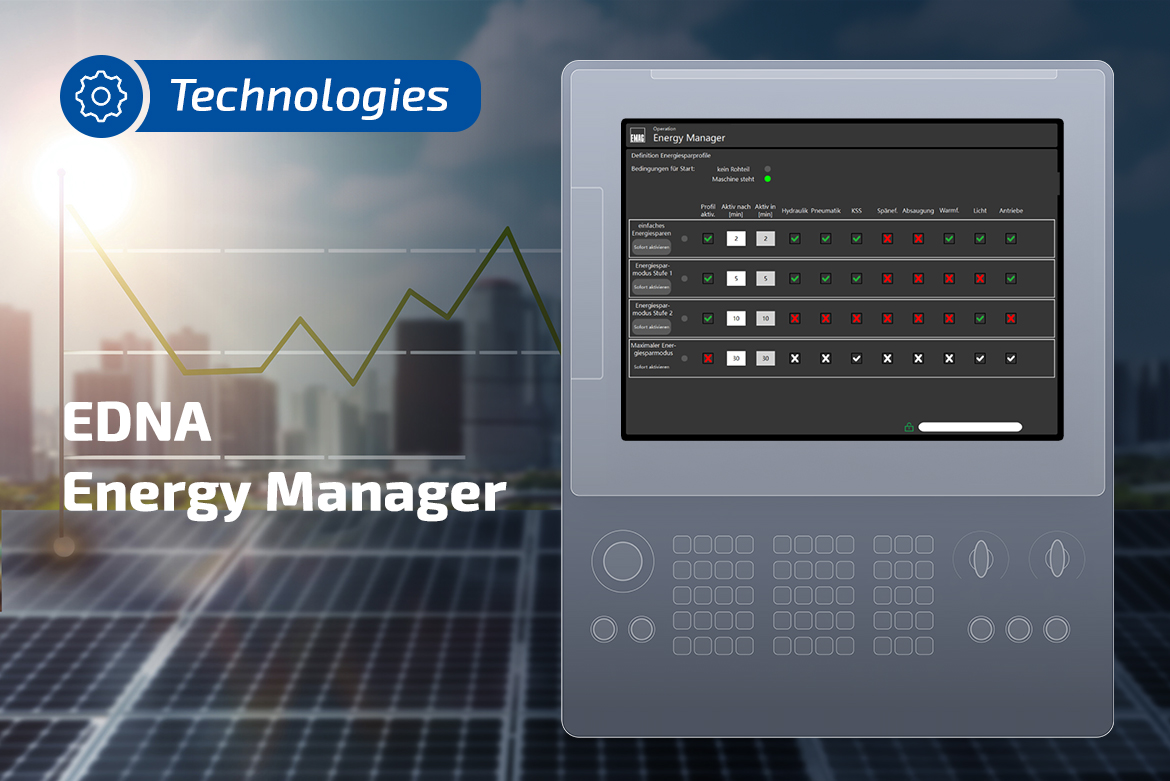
In modern manufacturing operations, energy efficiency is one of the key parameters for profitability and sustainability. With the new EDNA Energy Manager, EMAG now offers a software solution that addresses this challenge: It enables intelligent control of FANUC-controlled machines and targeted energy savings – without operator intervention. Automated time and energy saving profiles can be used to optimally plan and implement both the start-up process and idle phases. The result: lower energy costs, higher machine availability and a contribution to sustainable production.
Industry 4.0
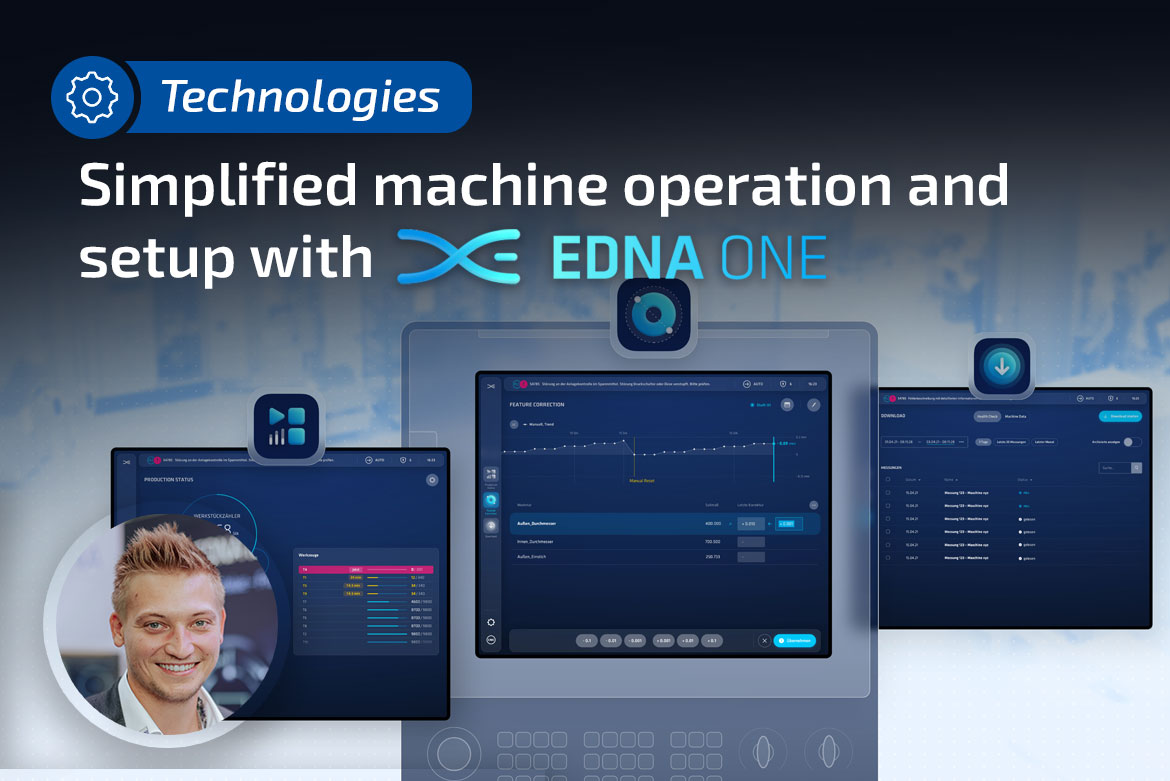
In today’s interview, we talk to Patrick Knab, Team Leader EDNA Operations. He gives us exciting insights into the extended functions of EDNA ONE, which significantly simplify the operation and parameterization of machines. In particular, we look at the benefits of “Feature Correction” and “Production Status” – two key functions that make the production process more efficient, safer and more reliable.
Whether you’re making transmission shafts, rotor shafts or even gun barrels, the challenges are consistent: high volumes, high precision, limited space and fewer people to get the job done. It can be a lot.
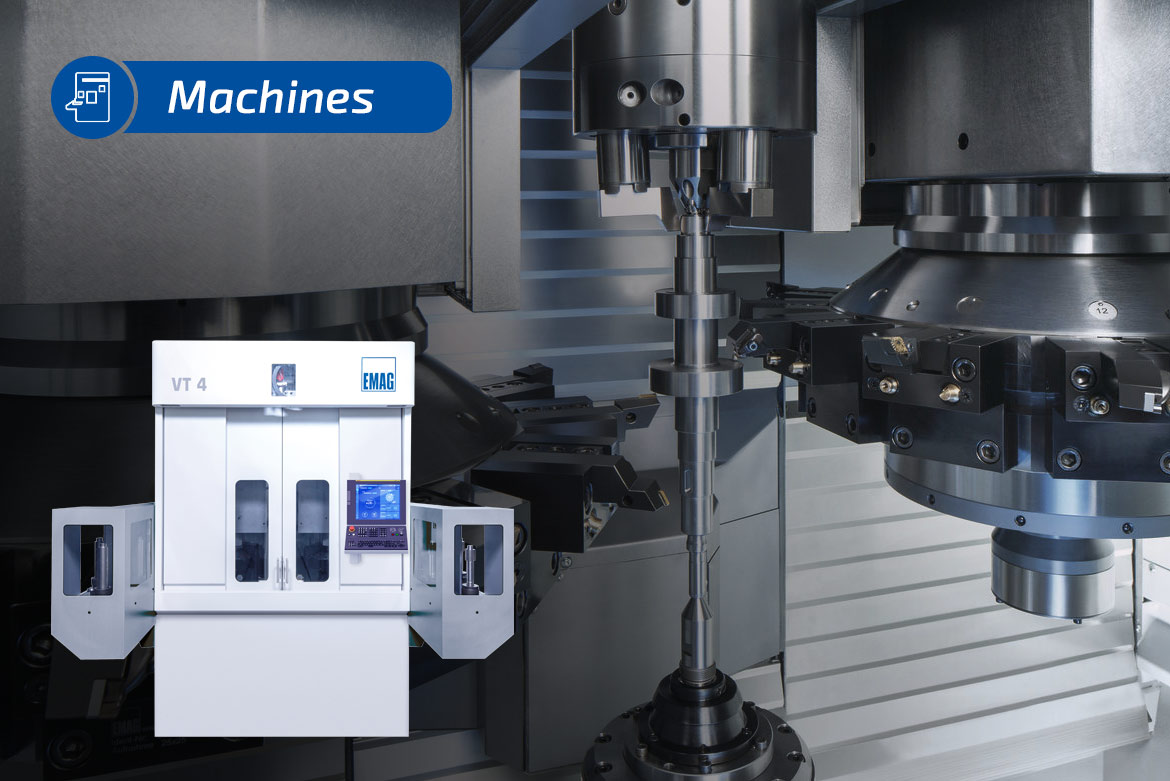
We caught up with David Fitzgerald, EMAG’s Regional Sales Manager, to talk about how the VT 4 vertical turning center is helping manufacturers check all the right boxes.
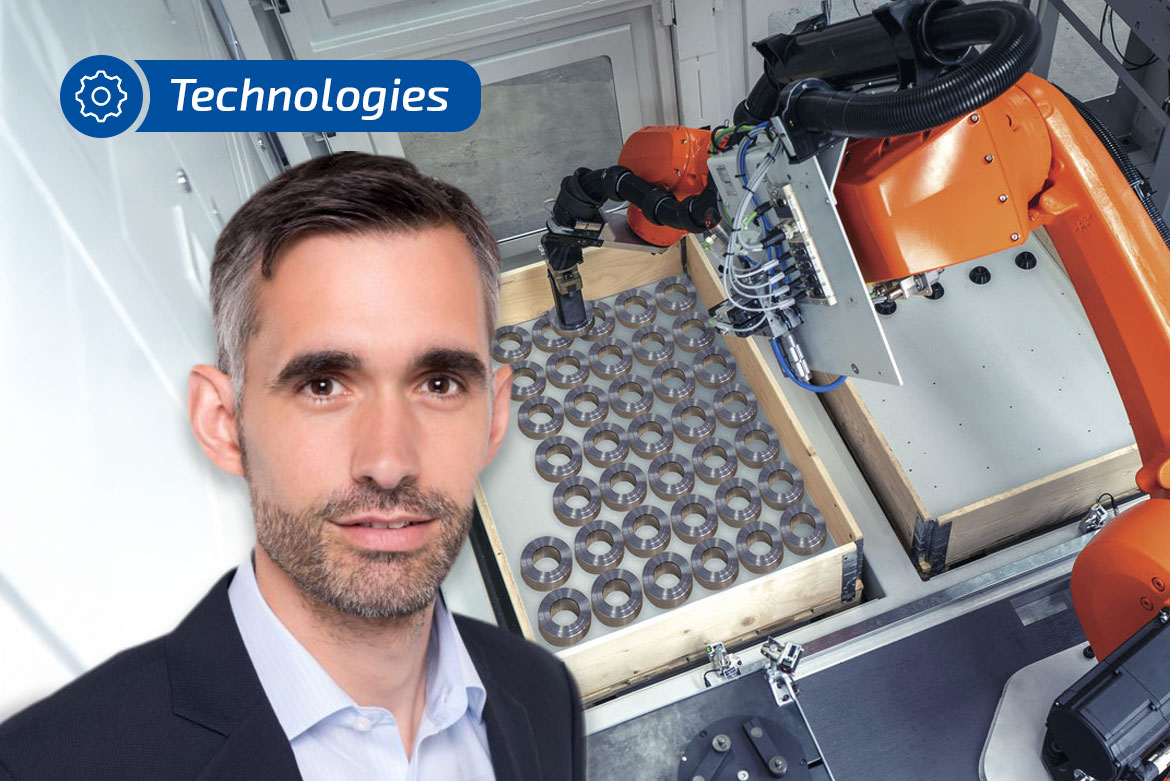
“Our customers are faced with the task of manufacturing complex components to the highest quality and in the shortest possible time. As a product manager, I support them in optimizing their production processes. With our new robot cells, we offer tailor-made solutions that not only increase productivity, but also improve working conditions. For us, automation is not just about technology, but about looking at the entire value chain.” Jan Gotthold, Product Manager in the EDNA Automation team, gives insight into the new robot cells from EMAG. In the following interview he explains why they offer real added value for many applications.
Which sector of industry is the most innovative in Germany? A very comprehensive answer to this question has been provided in the report entitled “Innovation in the German Economy” issued by the Center for European Economic Research (Zentrum für Europäische Wirtschaftsforschung GmbH, ZEW). The current issue rewards automotive manufacturing, among others, with a good score. According to the report, the automotive industry has the highest amount of innovation in its production (48.3%). Innovation is fundamental to the automotive industry’s economic success. Additionally, the industry’s “innovation expenditure” identified by the ZEW is increasing. In 2016, this was valued at 47 billion euros and, according to estimates; it should increase to nearly 55 billion euros by the end of this year.