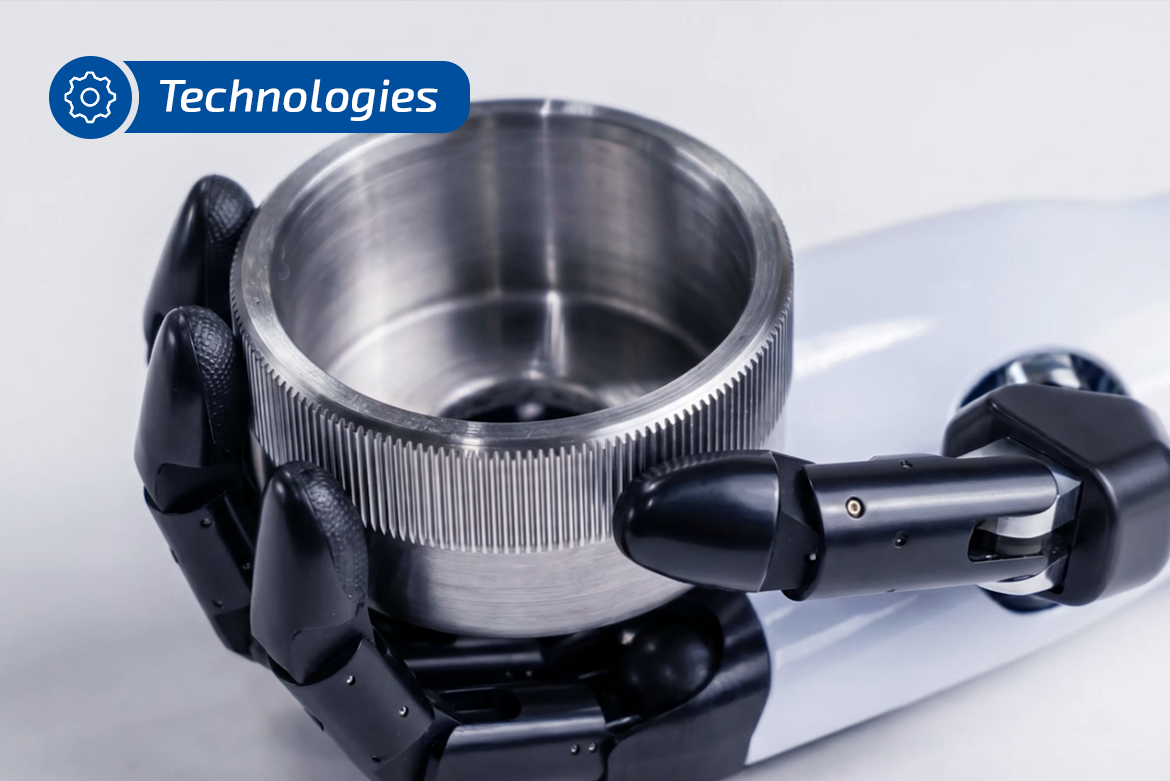
Currently, discussions about humanoid robots focus primarily on software topics: language models, motion planning, and object recognition. Look at these machines from a manufacturing perspective, though, and a different picture emerges. What determines production readiness and scalability isn’t the control system. It’s the mechanics in the joints. More specifically, it’s the actuators and the gearboxes inside them. This article explains how many drive systems are actually installed in a humanoid robot, which gear designs have become standard, and why these components pose the toughest challenge for manufacturing.